Safeguarding Nepal's agricultural biodiversity, indigenous crop varieties, and traditional farming knowledge — through communities who have always known best.
Learn About Our Work
"Resilient biodiversity, empowered communities, and a prosperous Nepal."— Vision Statement, Raithaane Samrakshan Nepal
Nepal's indigenous farming heritage — its seeds, soils, and traditional knowledge — faces mounting pressure from climate change and modernisation. Raithaane Samrakshan Nepal was established to ensure this heritage endures.
Nepal is home to over 7,000 plant species, rich agricultural biodiversity, and diverse ecosystems that have sustained rural livelihoods for generations. Yet climate variability, environmental degradation, and the loss of native crop varieties threaten this invaluable heritage.
Established on 4th July 2025, we are a non-profit public welfare organisation committed to conserving Nepal's agricultural biodiversity and advancing climate-resilient, environmentally sustainable agriculture. Marginalised communities — often the custodians of traditional knowledge — sit at the centre of everything we do.
Through research, policy advocacy, capacity building, and multi-stakeholder collaboration, we strengthen governance and support evidence-based decision-making in natural resource and heritage conservation.
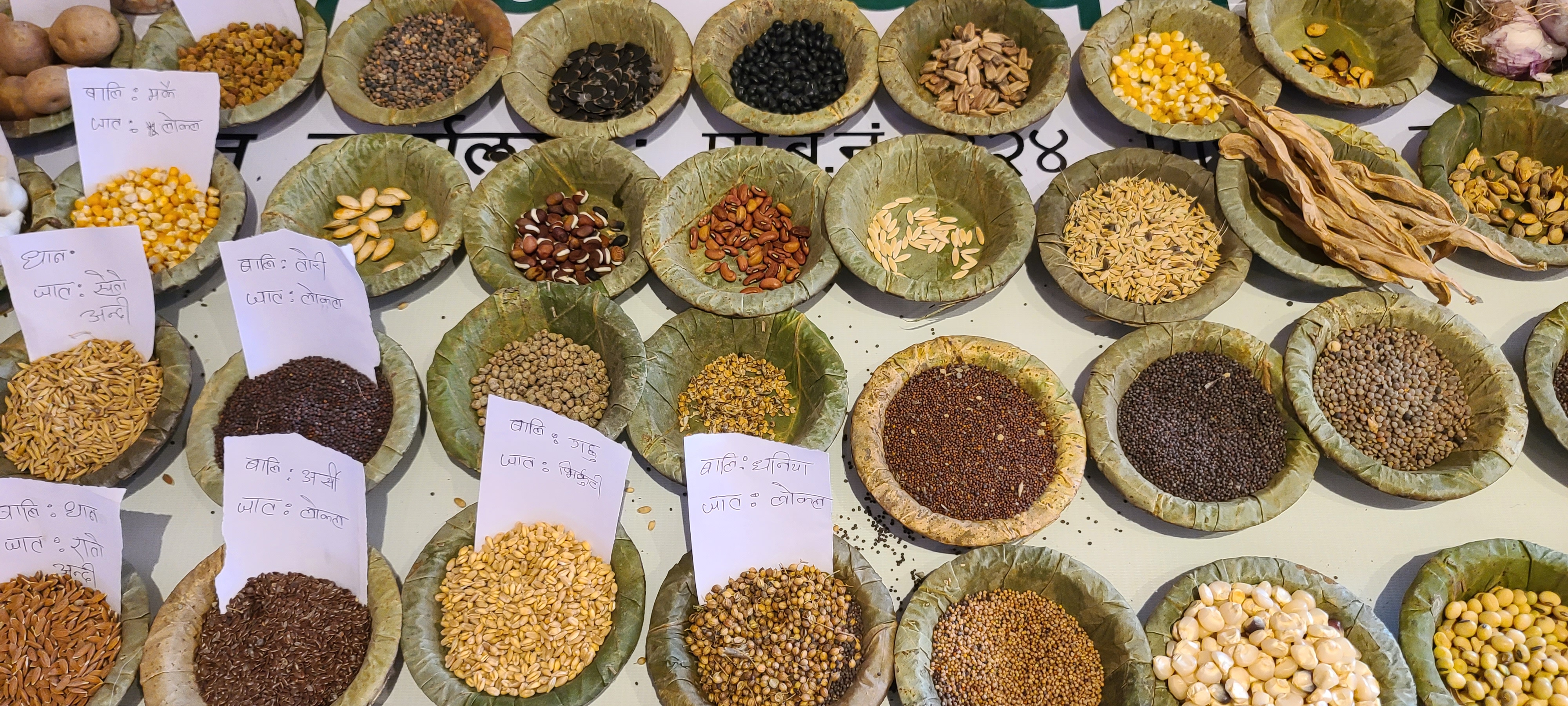
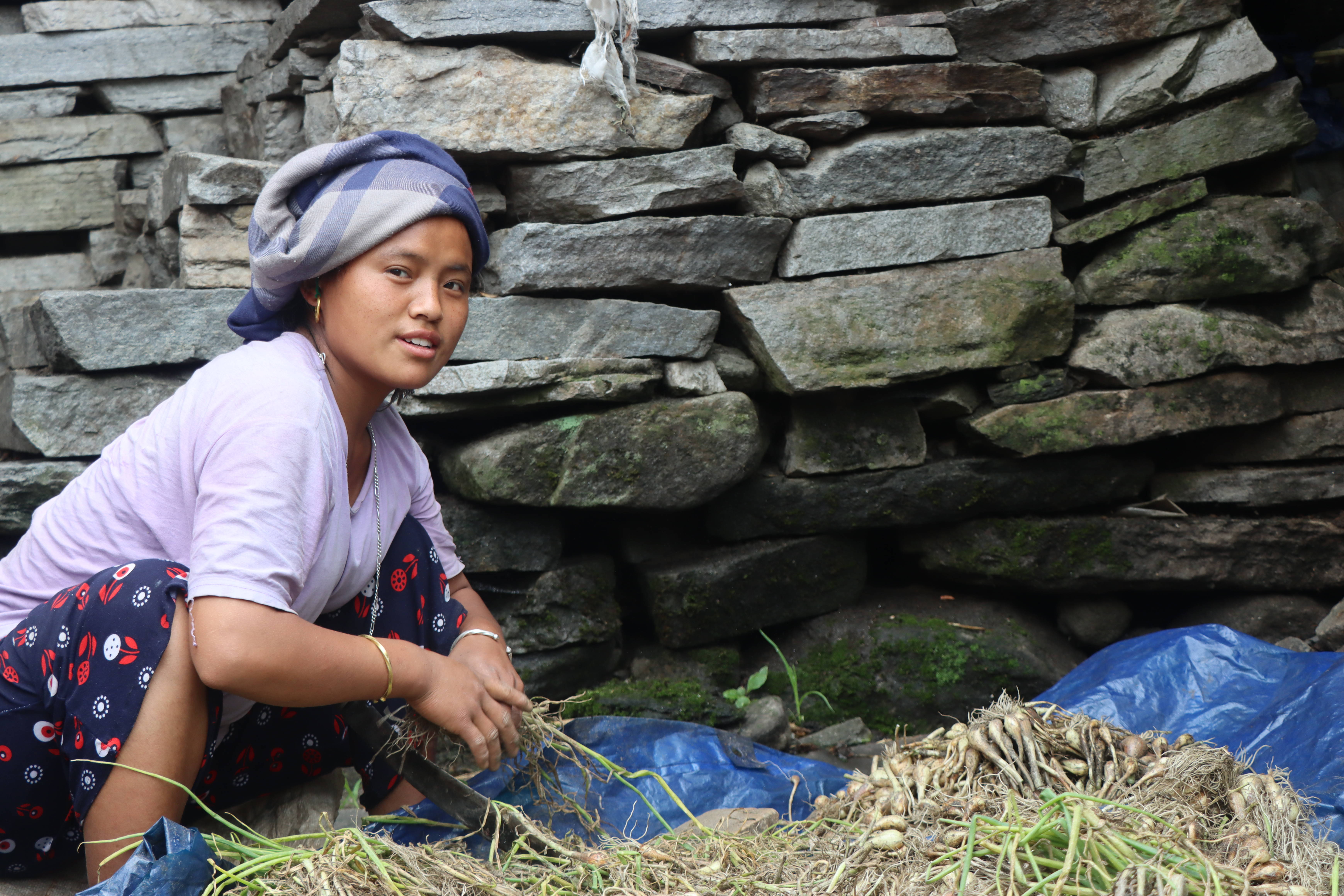
Community farmers conserving indigenous seed varieties in the hills of Nepal.
"Resilient biodiversity, empowered communities, and a prosperous Nepal."
"To safeguard indigenous agriculture and natural resources through inclusive, climate-smart, and community-led development initiatives."
"To strengthen conservation and sustainable management of agricultural biodiversity while enhancing climate resilience and equitable economic opportunities for marginalised and vulnerable communities across Nepal."
Each goal targets a critical dimension of Nepal's agricultural and environmental heritage — from seed to policy, farm to market.
Conserve, restore, and promote indigenous crop varieties, native seed systems, and traditional agricultural knowledge through community-based initiatives, research, and policy support.
Build climate-resilient agricultural systems and reduce vulnerability to climate change through adaptation, mitigation, and ecosystem-based approaches.
Strengthen transparent, participatory, and equitable management of natural resources, ensuring meaningful inclusion of women, indigenous peoples, and marginalised communities.
Enhance income generation by promoting environmentally responsible enterprises, value addition, market access, and sustainable tourism based on indigenous resources.
Generate evidence-based knowledge, influence policy reform, and build strategic partnerships with government, academia, and development partners.
From seed bank to marketplace, our seven strategic programs address every stage of Nepal's agricultural heritage — conservation, resilience, governance, enterprise, tourism, research, and trade.
Community seed banks, traditional knowledge documentation, and incentive programs for farmers cultivating indigenous crops and practices.
Scaling climate-smart techniques — drought-tolerant varieties, water harvesting, agroforestry, and renewable energy solutions.
Capacity-building ensuring women, indigenous groups, and marginalised communities have a meaningful voice in resource management decisions.
Evidence-based research, knowledge platforms, and advocacy to strengthen biodiversity and climate resilience frameworks nationwide.
Supporting organic foods, herbal products, and traditional handicrafts through training, microfinance, and cooperative market models.
Tourism circuits combining agriculture, cultural heritage, and natural landscapes — creating income while preserving Nepal's living heritage.
Building market linkages through digital platforms, trade fairs, quality certification, and cooperative branding for indigenous goods.
Protect and promote agricultural and ecological diversity while advancing climate-resilient, environmentally responsible practices across Nepal.
Empower all communities — especially women and marginalised groups — through genuine participation, equity, and shared decision-making.
Blend centuries of traditional wisdom with modern research to drive evidence-based, adaptive solutions rooted in place and culture.
Foster strong networks and multi-stakeholder cooperation with government, civil society, academia, and local communities.
Uphold transparency, ethics, and responsible stewardship in all actions — ensuring communities trust every commitment we make.
Preserve traditions, promote indigenous knowledge, and support sustainable economic opportunities that dignify local skills and craftsmanship.
Guided by leaders with deep roots in conservation, community development, policy, and sustainable enterprise across Nepal. Please share additional board member names to complete this section.

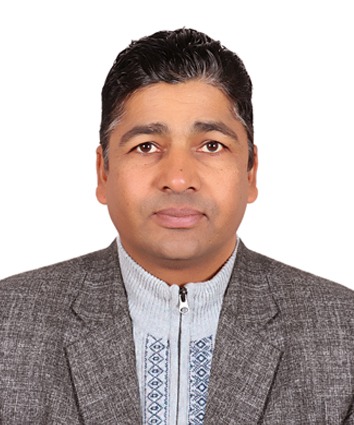
Mr. Dhruba Raj Paudel is a senior agricultural finance and rural development leader with over 30 years of executive and institutional experience driving inclusive agribusiness growth, financial systems strengthening, and sustainable rural transformation in Nepal.
He holds a Bachelor of Science in Agriculture (B.Sc. Ag) and a Master’s degree in Sociology from Tribhuvan University. For three decades, he served at the Agricultural Development Bank Ltd. (ADBL) in progressively senior leadership roles, enhancing rural credit delivery frameworks and structured finance for farming households and agri-enterprises.
Subsequently, he assumed executive leadership roles as Divisional Chief at Jyoti Bikash Bank and Deputy CEO at Kalika Microcredit Development Bank. In recent years, he has served as an Agricultural Expert leading multi-disciplinary initiatives on indigenous crop conservation, high-hill strategic planning, and farmers’ market quality assurance.
His leadership approach is grounded in integrity, accountability, evidence-based decision-making, and long-term sustainability, providing strategic direction for resilient agri-food systems and inclusive economic growth.

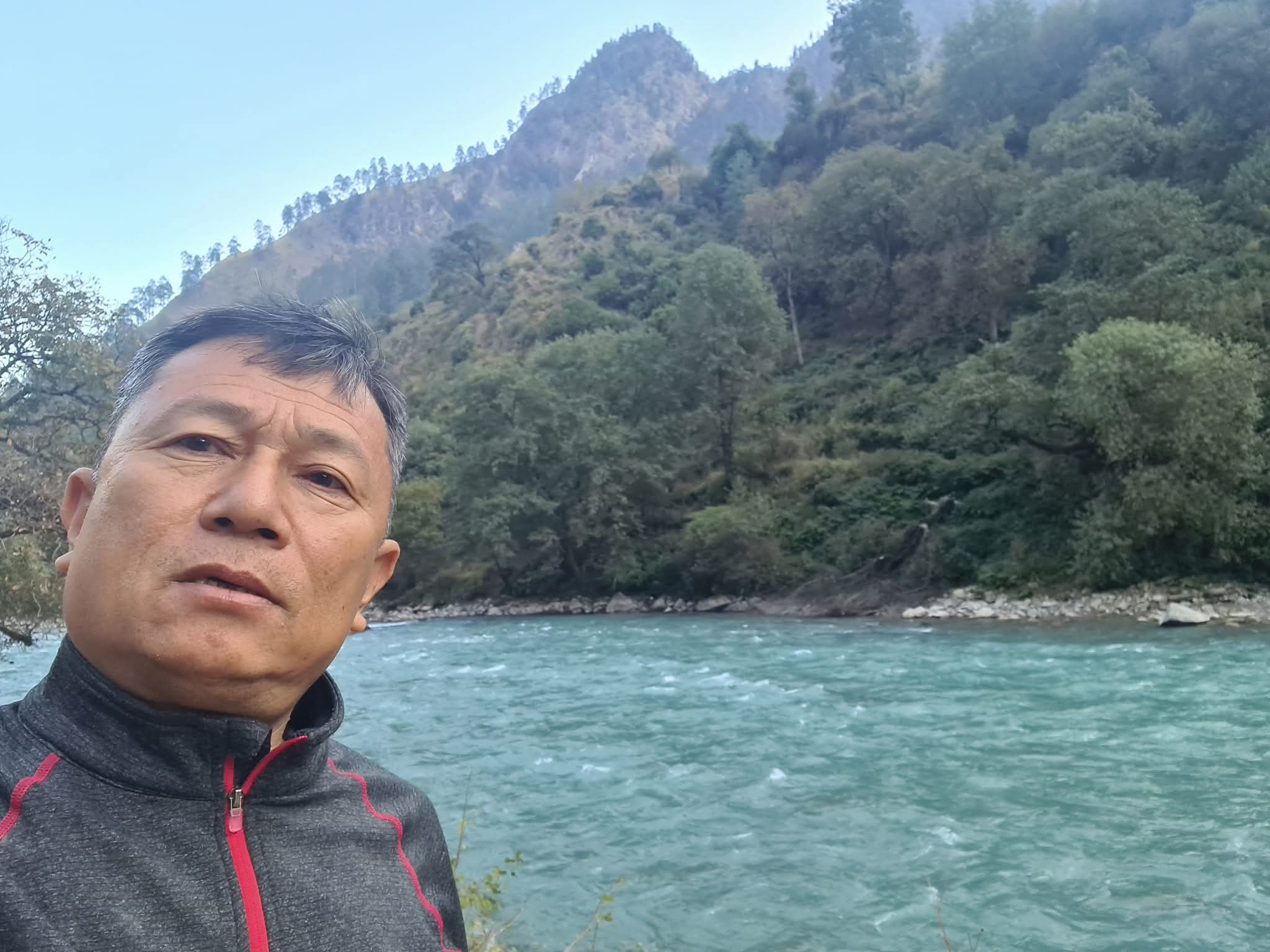
Dr. Alok Prasai is a distinguished tourism expert with over 25 years of leadership in research, policy formulation, and strategic advisory within Nepal’s tourism sector. His expertise spans rural and homestay tourism, religious and agri-tourism, and water-based tourism.
A trusted advisor to the state, Dr. Prasai has served as a Subject Expert for the Taragaon Development Committee and the Nepal Tourism Board, alongside spearheading frameworks for the Koshi Province Tourism Board. His global perspective, informed by extensive travel across Asia, Europe, and Australia, bridges international best practices with the unique Nepali context.
An accomplished academic, he has served as Campus Chief at Nepal Read College and currently leads the Nepal Rural Development Society. He remains a vital pillar of the Homestay Federation Nepal and the Nepal Academy of Tourism and Hotel Management (NATHM).
With a PhD in Economics and over 200 honors, Dr. Prasai is recognized as a premier voice in sustainable tourism development and extensive research publications.

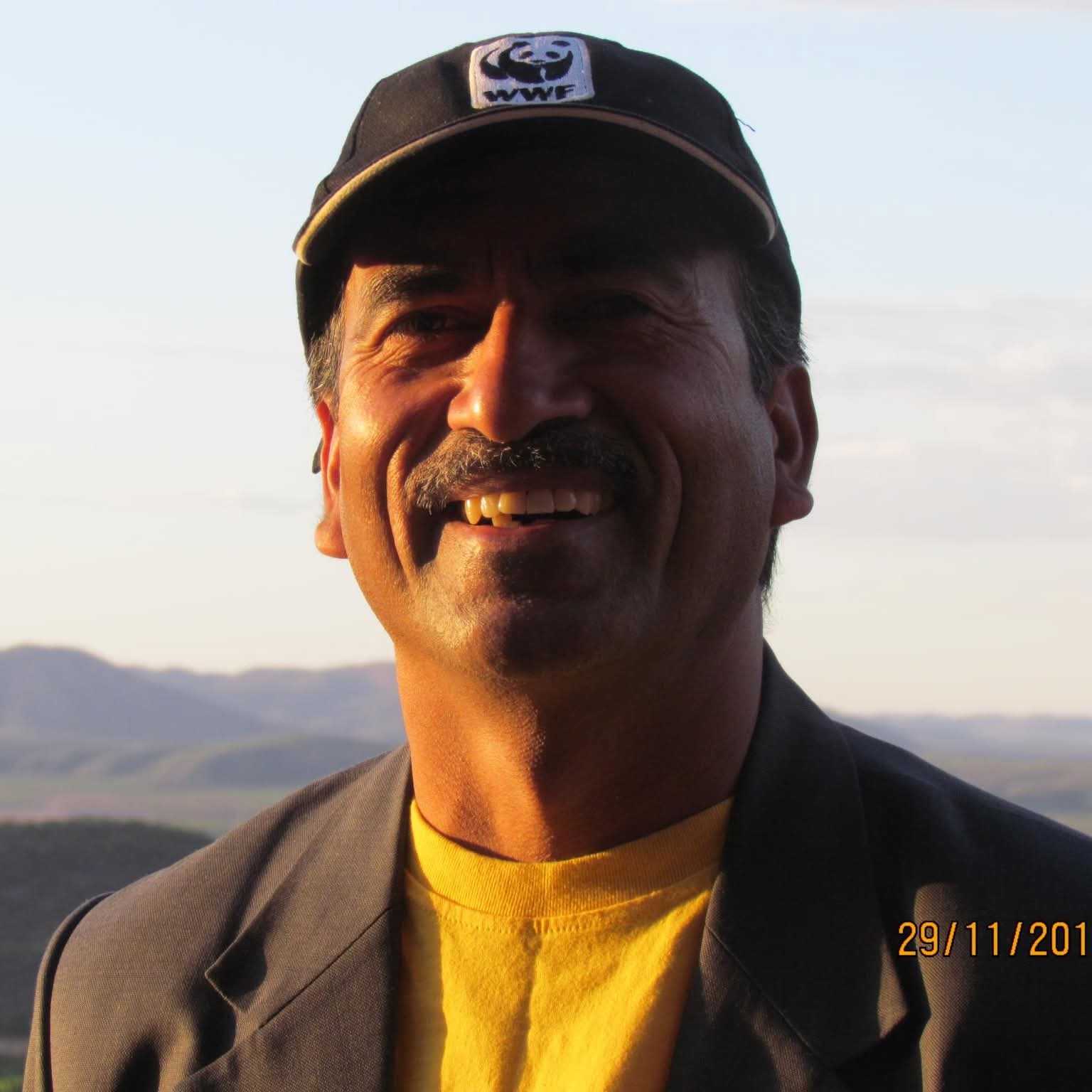
Born in Nuwakot District and holding a Master's degree in Public Administration, Mr. Dhakal brings over three decades of professional experience in biodiversity conservation and community-driven development. He has held senior roles with WWF Nepal and the Nepal Red Cross Society, leading the Northern Mountain Conservation Project in Shey-Phoksundo National Park and the landmark Terai Arc Landscape Program.
Widely regarded as a pioneer of community-based homestay tourism in Nepal, he has long worked at the intersection of sustainable livelihoods and natural heritage — successfully integrating conservation with the economic needs of rural communities. He founded Raithaane Agri Products Nepal Pvt. Ltd. to continue this mission through market-led enterprise.
He is Chairperson of Worldwide Nature Conservation Nepal, an Advisor to the Homestay Federation of Nepal and the Gastronomy Tourism Association of Nepal, and a life member of the Nepal Red Cross Society.
Raithaane Samrakshan Nepal is a registered non-profit, public welfare organisation operating in full compliance with Nepali national law and international development standards.
Whether you are a donor, researcher, community partner, government agency, or someone who cares about Nepal's agricultural heritage — we'd love to hear from you.
We actively seek partnerships with organisations and individuals aligned with our mission of conservation, community empowerment, and sustainable development in Nepal.